Chinese Sportswear Brands Challenge Luxury Market: From “Value for Money” to “Status Symbol”
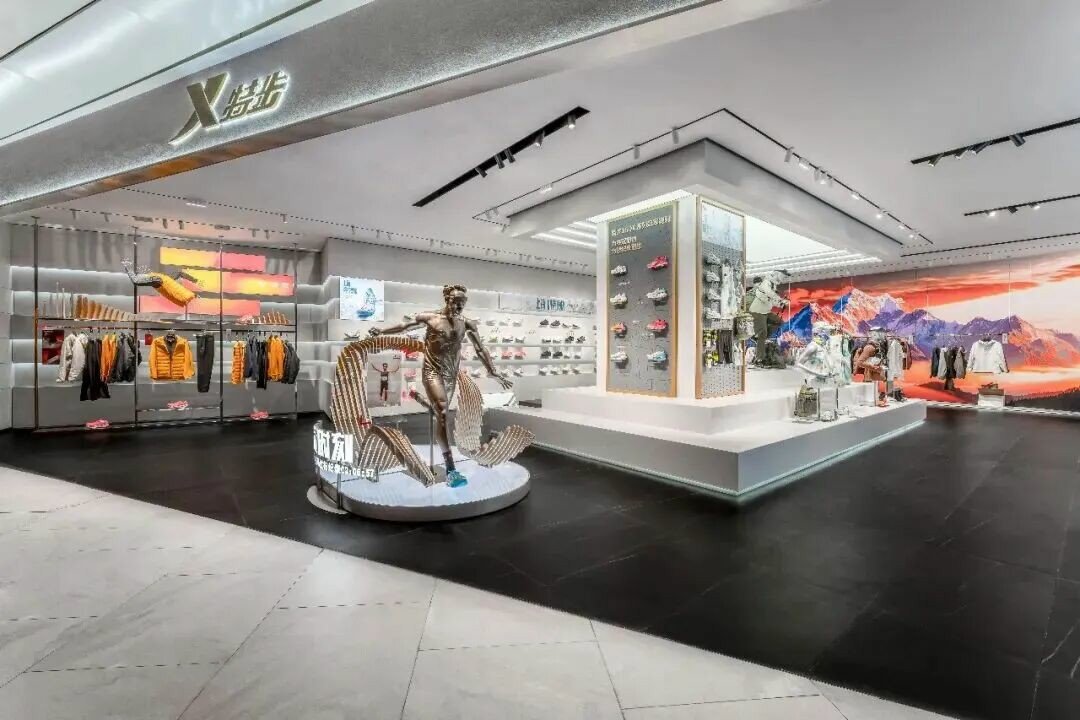
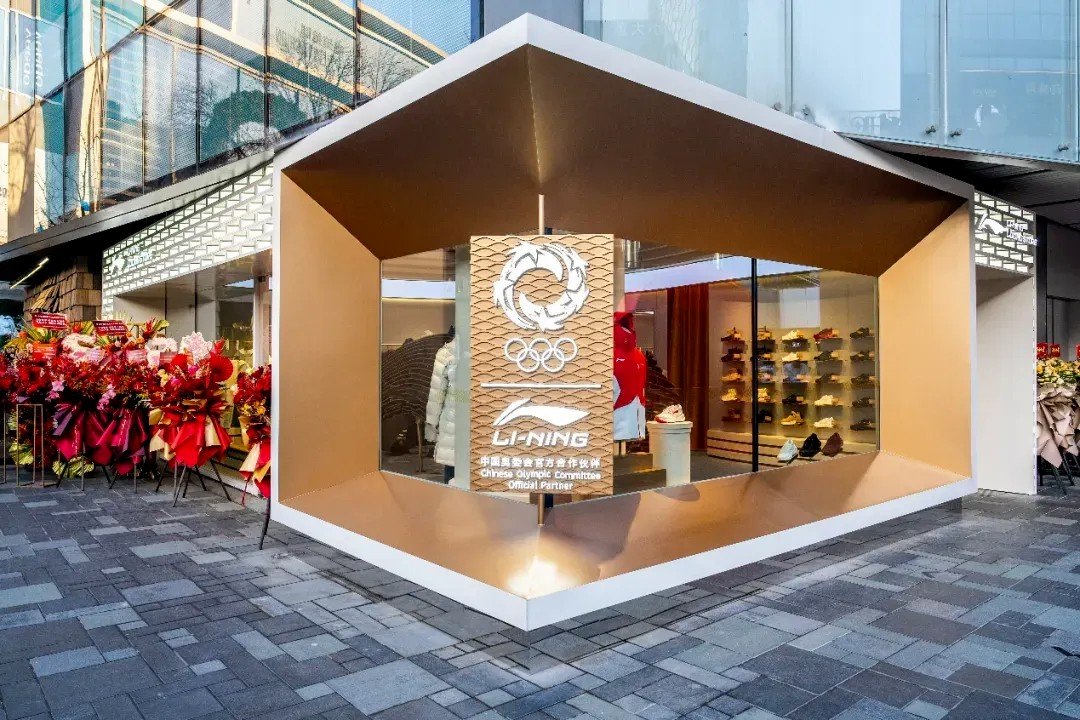
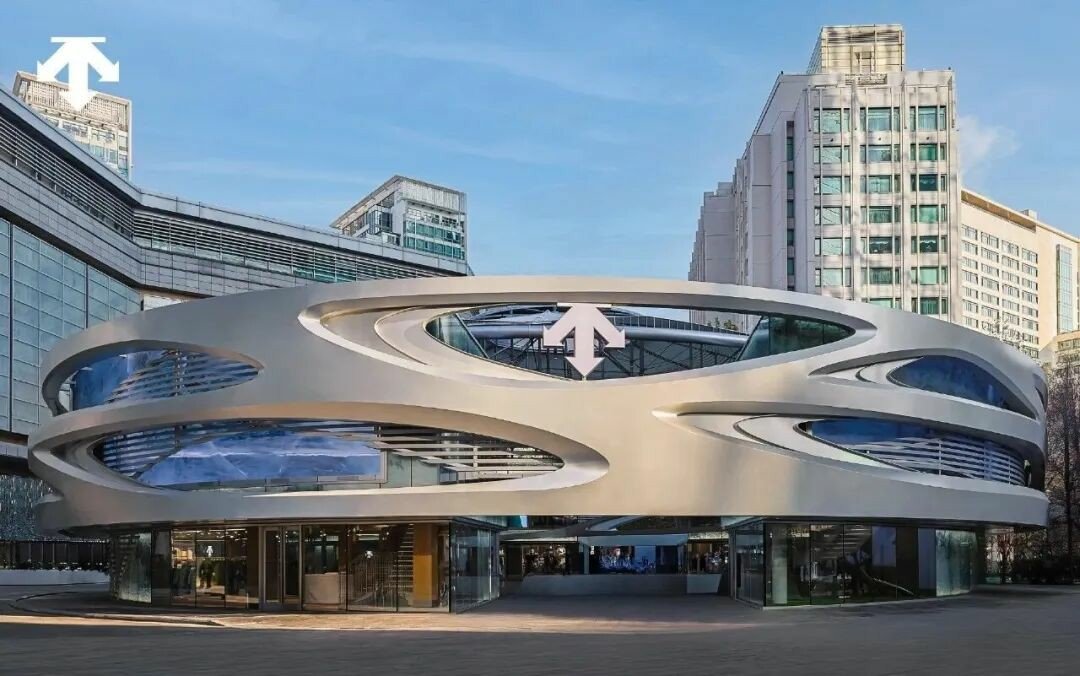
Once dominating the market with a “high cost-performance ratio,” Chinese sportswear brands are now undergoing an unprecedented collective upgrade. In Shanghai’s Xtep Gold Label running store, a collaborative running shoe is priced at 1999 yuan, nearly tripling the brand’s average price from two years ago. Similarly, in Li-Ning’s newly opened global flagship “Dragon Store” in Beijing, the Glory Gold Label series of athletic shoes ranges from 1200 to 2200 yuan. Meanwhile, Descente, an Anta-owned brand, offers professional ski jackets for over 5000 yuan.
Chinese sportswear brands are collectively challenging a price ceiling once thought unimaginable. Indeed, this isn’t a random market anomaly but an inevitable breakthrough as the industry matures.
As a result of sports technology becoming increasingly standardized, and as store numbers hit saturation points, coupled with international giants simultaneously pressing the mid-range market, domestic brands found themselves increasingly entrenched in the “value for money” advantage, with profit margins constantly shrinking.
The Core Logic Behind Chinese Brands’ Premiumization
The deeper motivation for the premiumization of Chinese sportswear brands isn’t merely about “chasing high prices”; rather, it’s an imperative strategic shift driven by an industry facing growth ceilings.
The Chinese athletic apparel and footwear industry faces two realities: on one hand, market growth is slowing (Euromonitor International projects single-digit growth for 2024); on the other hand, while Chinese brands hold a larger share of the domestic market than international brands (such as Nike and Adidas), this dominance is primarily in the mid-to-low-end segments.
The growth of brands like Anta, Li-Ning, and Xtep primarily stemmed from scale expansion and channel penetration. However, with store counts approaching saturation, relying solely on opening new stores can no longer drive sustained growth.
Take Anta as an example: its main brand already boasts thousands of stores, limiting further expansion. Consequently, this signals that brands must seek new growth pathways – shifting from “volume growth” to “value growth.”
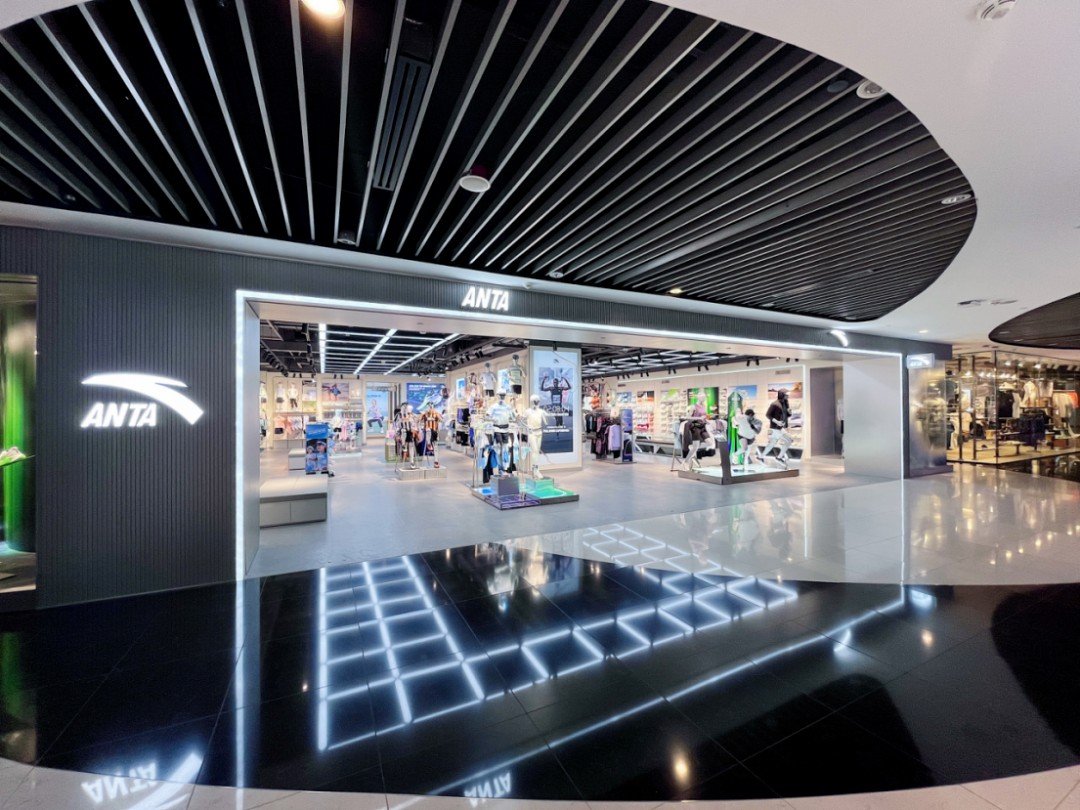
At the consumer level, rising disposable incomes have reshaped expectations for sports equipment. Once seen as “functional products,” athletic apparel and shoes now carry greater significance for identity and social expression. This shift is particularly evident among consumers in first- and second-tier cities.
Therefore, this is the underlying reason why Xtep launched its Gold Label store in Shanghai and Li-Ning opened its Dragon Store in Sanlitun – brands are attempting to redefine their relationship with consumers through high-end scenarios, moving from fulfilling functional needs to providing identity affirmation.
Three Differentiated Premiumization Paths
Anta, Li-Ning, and Xtep have chosen three distinct premiumization strategies, each reflecting their unique assessments of market opportunities and resources.
1. Anta: Capital Acquisition and Multi-Brand Operation
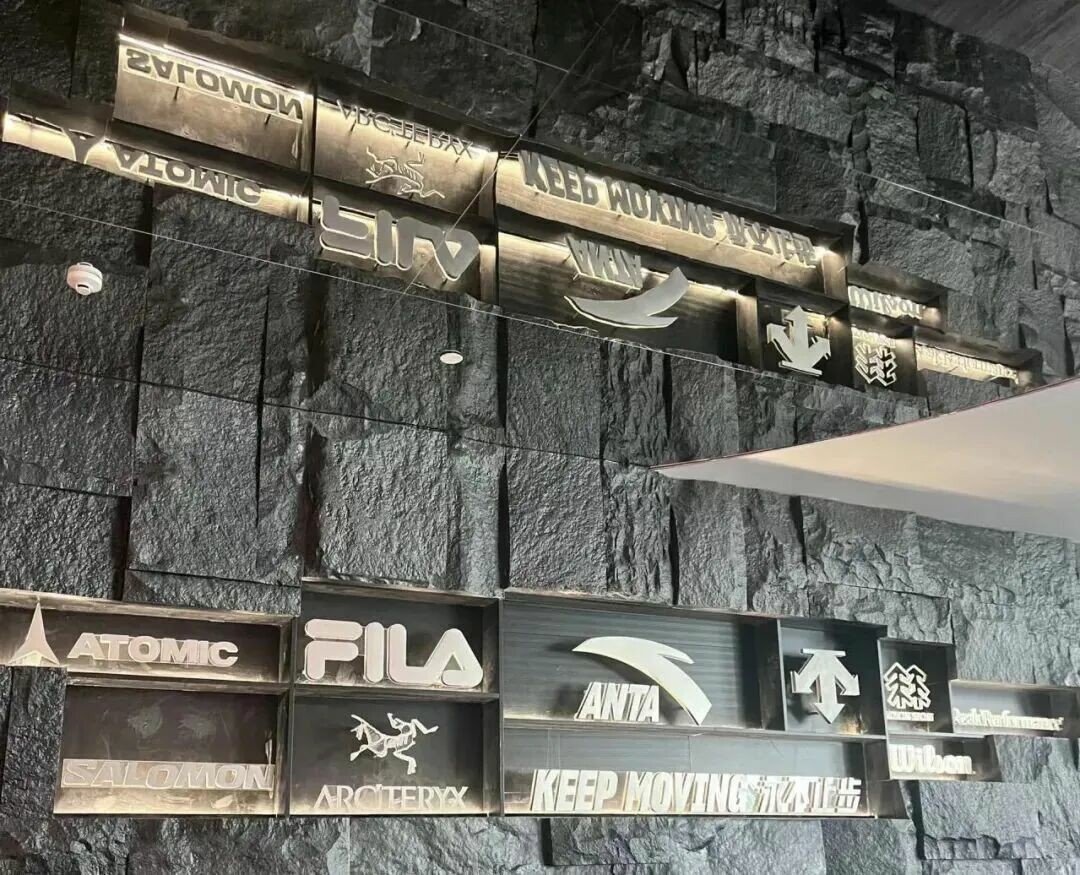
Anta’s path involves capital acquisition and multi-brand operation. By acquiring brands like Fila, Descente, and Kolon Sport, Anta rapidly entered the high-end market. In 2024, Anta Sports’ revenue surpassed 70 billion yuan for the first time. Furthermore, if we include its controlled Amer Sports, the combined revenue of both brands exceeded 100 billion yuan.
Ultimately, Anta’s success demonstrates a possibility: leveraging capital to build a brand matrix, achieving full market coverage from mass to premium. The advantage of this path is quick access to high-end brands’ technological expertise and market positioning, but the challenge lies in truly integrating different brand cultures to create synergistic effects.
2. Li-Ning: Technology Branding and “Guochao” Cultural Empowerment
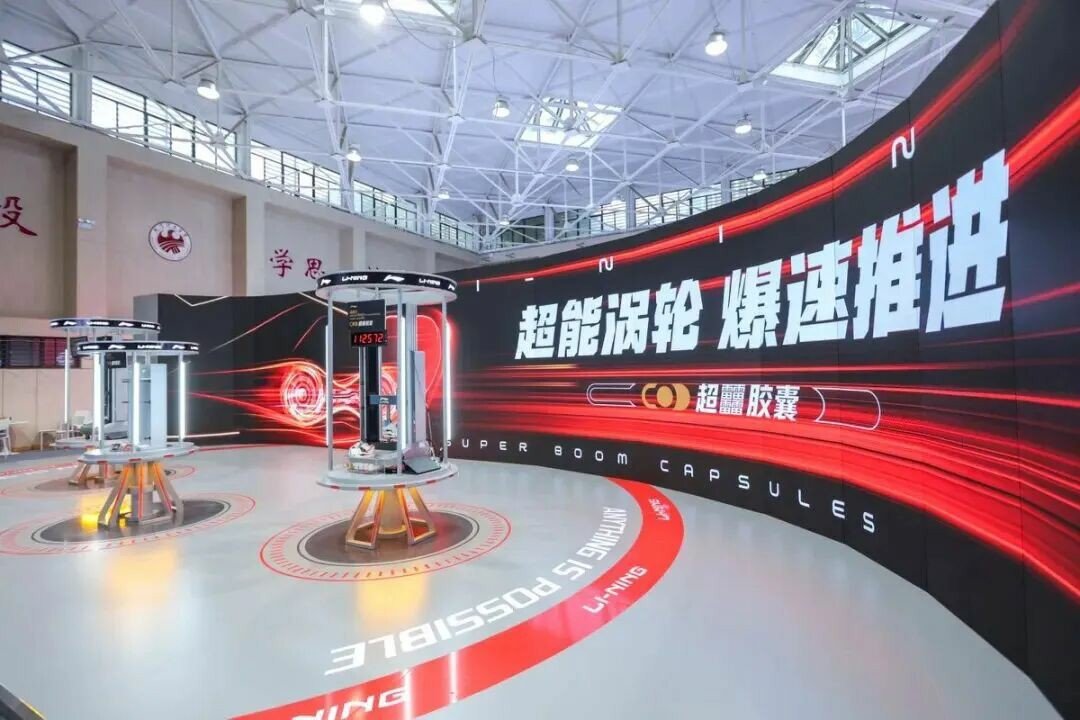
Li-Ning opted for a single-brand, multi-category premiumization strategy. From “China Li-Ning” to “LI-NING 1990,” and now with the latest Dragon Store and Glory Gold Label series, Li-Ning continuously expands its product lines upwards under the same brand.
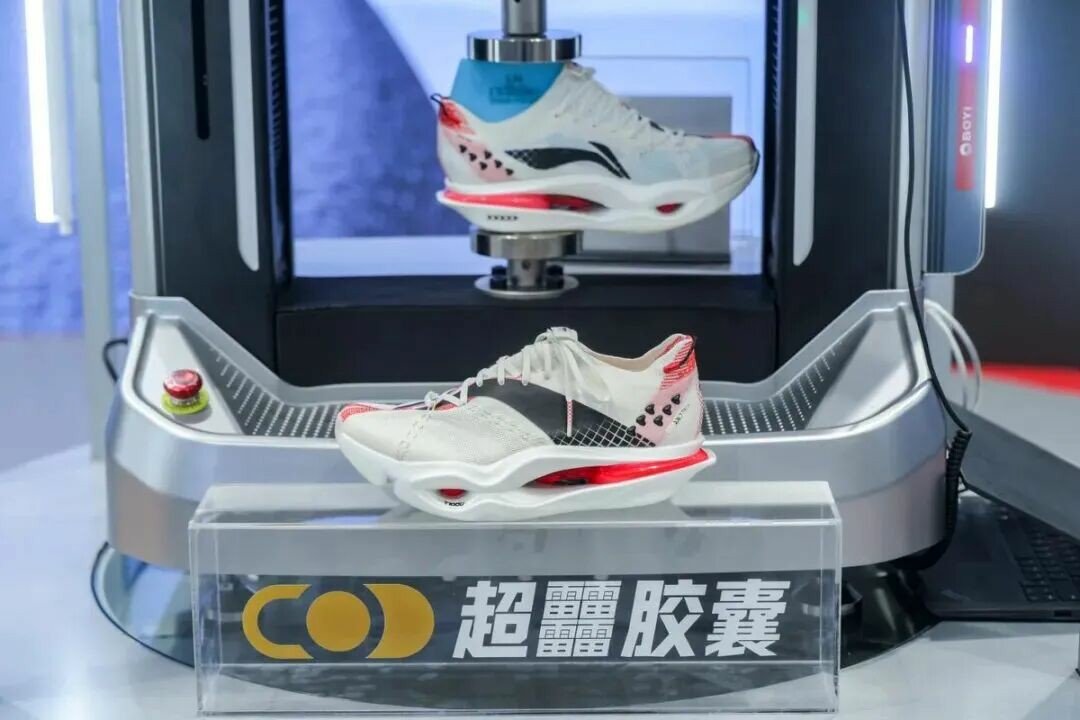
From 2015 to 2024, Li-Ning invested over 3.5 billion yuan in R&D, developing its “䨻” (BENG) technology platform. Li-Ning’s premiumization core is “technology branding” – transforming technological achievements into tangible value symbols for consumers, while also integrating Chinese traditional cultural elements to forge a unique brand narrative.
3. Xtep: Deep Cultivation in Vertical Sports Segments
Xtep, conversely, focuses on deep cultivation within specific vertical segments. As a long-term partner of Chinese marathon events, Xtep extends its expertise in professional running to retail, creating specialized experience spaces like the Gold Label running store.
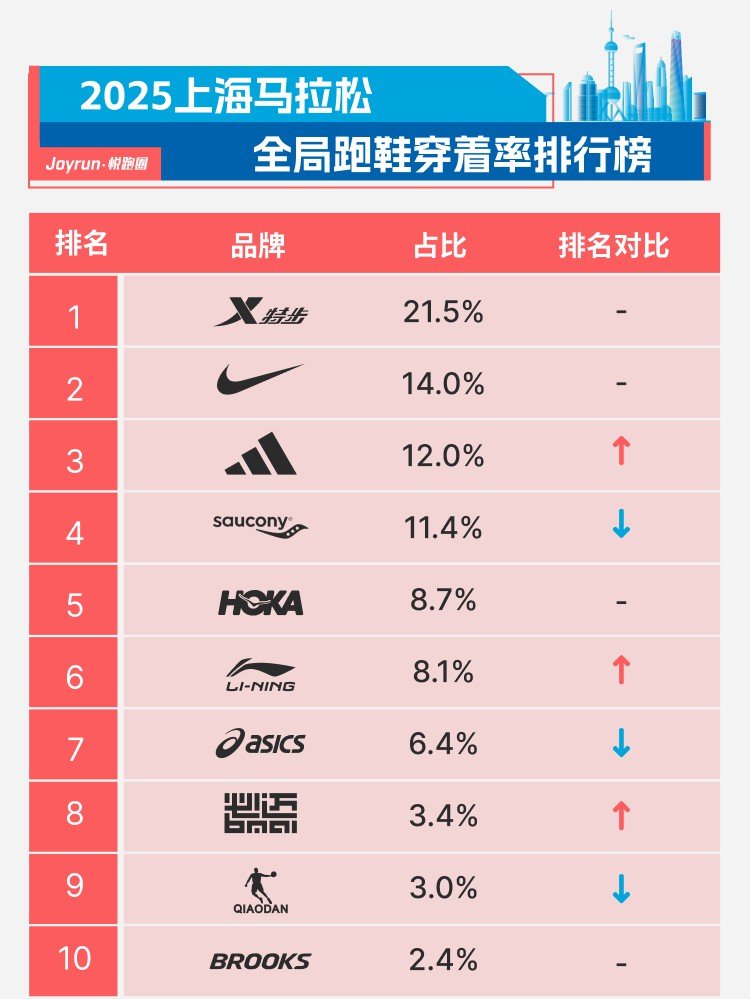
Xtep’s strategy is to establish professional leadership in a niche market and then expand towards premium. In the 2025 Shanghai Marathon, Xtep running shoes had a wear rate of 21.5%, ranking first among Chinese brands for consecutive years. Evidently, this professional advantage provides credible support for the brand’s premiumization.
Downward Pressure from International Brands
The premiumization of Chinese sportswear brands coincides with international giants adjusting their strategies in the Chinese market, making a direct confrontation in the high-end segment inevitable.
Adidas’s A-Type premium collection reimagines classic footwear with luxury standards, priced from $500 to $3000. Nike, meanwhile, continuously strengthens collaborations with luxury brands, blurring the lines between sport and fashion. You can explore more about luxury fashion collaborations here.

International brands’ premiumization strategies serve a dual purpose: first, to enhance brand premium; second, to exert downward pressure, encroaching on Chinese brands’ upward mobility.
Simultaneously, with changes in domestic consumption patterns, the middle class increasingly leans towards “one-and-done” high-quality products. This explains why the high-end sports market continues to grow rapidly, while the mid-to-low-end market faces fierce competition and thin margins.
The premiumization of Chinese sportswear brands is, to some extent, a forced response. Ultimately, without establishing influence in the high-end market, international brands will further erode the middle-tier base of Chinese brands.
The True Challenges of Premiumization
The premiumization journey for Chinese sports brands faces three complex challenges, extending far beyond simple price adjustments.
1. Genuine Enhancement of Brand Value
Simply raising prices does not equate to premiumization. Consumers are willing to pay a premium because a brand represents certain values, lifestyles, or identity. Therefore, Chinese brands need to answer: Beyond function and technology, what else does my brand represent? How does it evolve from a “product brand” to a “cultural brand“? Li-Ning’s exploration of Chinese elements and Xtep’s deep cultivation of running culture are attempts to address this question.
2. Balancing Supply Chain and Cost Structure
Premium products often demand more sophisticated craftsmanship, superior materials, and stricter production standards. Naturally, this places higher demands on the supply chain and increases cost pressure.
How can brands achieve a leap in product value without entirely sacrificing their competitive advantage of good value? This is a practical dilemma for Chinese brands.
In this process, choosing professional OEM/ODM manufacturers is crucial. For instance, **SHARK**, with 35 years of shoemaking experience, its 67,000 square meter modern production base, over 1,000 professional shoemakers, and an annual capacity of 14 million pairs, can provide high-quality customized services from design to prototyping to mass production. This ensures that Chinese brands can meet international premium standards in material selection, craftsmanship details, quality control, and even environmental standards (e.g., water-repellent, anti-slip, eco-friendly water-based adhesive, anti-odor, antibacterial). Such deep empowerment of the supply chain is key for brands to achieve premiumization while balancing cost and quality requirements. (Learn more about SHARK’s capabilities here).
3. Reshaping Consumer Perception
For years, Chinese brands have fostered a perception of “high cost-performance” among consumers. While this was a competitive advantage, it now poses a barrier to breaking into the high-end market.
Breaking ingrained perceptions requires time, patience, and consistent brand messaging. Xtep’s professional marathon image and Li-Ning’s “Guochao” elements are attempts to build new brand associations, but this process won’t happen overnight.
Systemic Transformation in a Saturated Era
The premiumization of sportswear brands is essentially a systemic transformation as the industry enters a saturated competitive phase, rather than a mere extension of product lines.
1. Product Level: Integration of Technology, Design, and Culture
At the product level, brands need to shift from simple technological accumulation to the integrated expression of technology, design, and culture. Li-Ning’s “BENG” technology combined with traditional Chinese aesthetics is one such attempt.
2. Channel Level: Redefining Retail Space
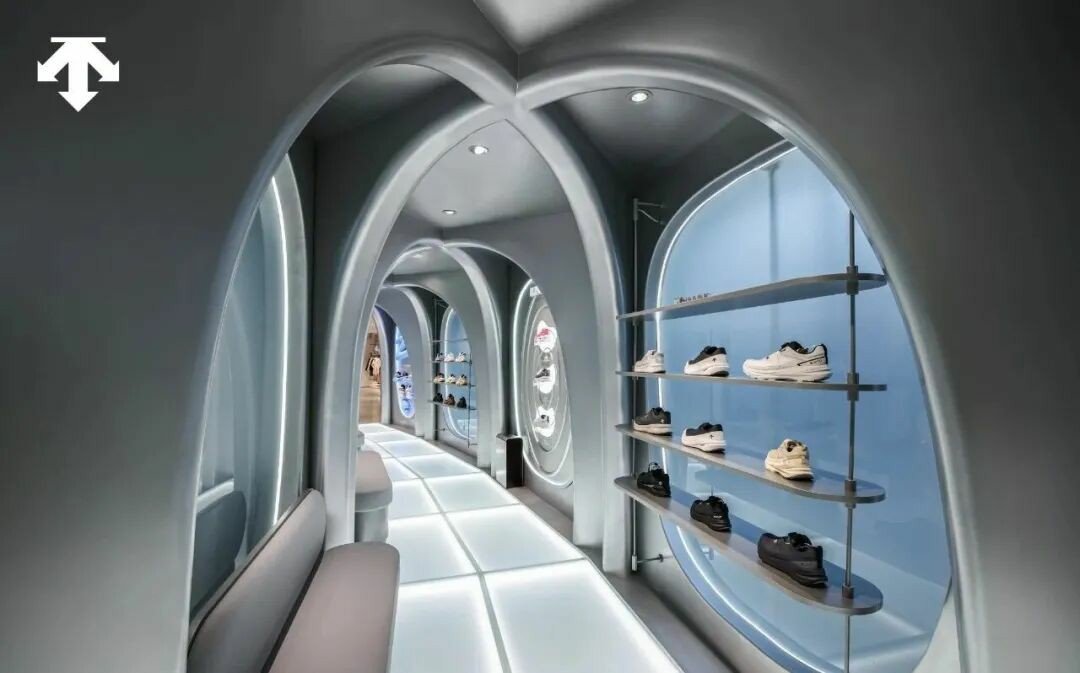
At the channel level, premiumization means redefining retail spaces. Xtep’s Gold Label running store and Li-Ning’s Dragon Store are no longer just simple product sales points; they are brand experience centers and cultural dissemination platforms. Through immersive engagement, these spaces transform brand value into tangible consumer experiences.
3. Supply Chain Level: More Flexible and Refined Response Capabilities
At the supply chain level, premiumization demands more flexible and refined response capabilities. High-end products often involve smaller production batches and faster refresh cycles, posing new challenges for traditional sportswear supply chains.
4. Brand Level: Consistent and Enduring Value Narrative
Most importantly, at the brand level, premiumization requires a consistent and enduring value narrative. The premium consumers pay for high-end products is essentially a “ticket” to the brand’s story. Chinese brands need to find their own unique and irreplaceable story.